



Reconciliation is a Journey, Not a Checkbox
The RAIC Truth and Reconciliation Task Force is honoured to share personal reflections and perspectives that illustrate Reconciliation as an ongoing and relational journey rather than a completed task. We invite you to engage with these stories, deepen your learning, and consider how you can support meaningful allyship and Indigenous leadership in shaping the built environment.
-
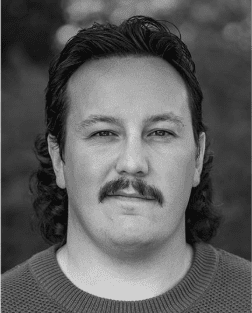
Darian McKinney, MRAIC
Co-Chair, RAIC Truth and Reconciliation Task ForceListen to audio: Read transcript
What does “Reconciliation is a journey, not a checkbox” mean to you, and what do you hope the architectural profession and future generations will carry forward
“Reconciliation is a journey, not a checkbox” is the recognition that Reconciliation is a continuing process and not just something we are working to, but it is the way in which we work. This also means that our process will continue to change and adapt, as we move forward in the journey. It also recognizes that each and every experience is unique, it is the continued opportunity for Indigenous voices to exist at the table and at all sides of the table. We see this influence already with the increased number of Indigenous professionals and projects across the country. I hope that we continue to work on this process, we continue to listen and learn. Developing a built environment that is of its place, responding to and with the environment around it, becoming a part of it.
-
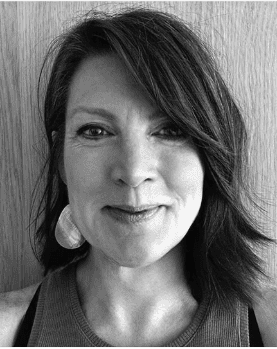
Jennifer Cutbill, FRAIC
Co-Chair, RAIC Truth and Reconciliation Task ForceListen to audio: Read transcript
Introduction
ʔi ʔə c:ep ʔəw ʔəy̓ ʔal
ʔe:nθə Jennifer Cutbill. təniʔ cən ʔə ƛ̓ unceded təməxʷ of the xʷməθkʷəy̓ əm, Sḵwx̱wú7mesh
Úxwumixw, and səlilwətaɬ Nations - colonially known as Vancouver.
ʔi …nə t̕ᶿə p̓ əyaʔqʷ təniʔ ʔə ƛ̓ Scotland, Ireland, England and FranceI introduce myself in hən̓ q̓ əmin̓ əm̓ –language of the xʷməθkʷəy̓ əm, Tsleil-Wautulth and other Coast Salish Nations of the lower stɑl'əw̓ (Fraser River)--words I’m endeavouring to learn at the extreme generosity and patience of xʷməθkʷəy̓ əm Language Keeper Larry Grant (and others). Learning new languages reminds me that language doesn’t just carry meaning–it encodes values, knowledges, and ways of knowing and being …all of which shape how we understand the world around us and our roles and responsibilities in relation.
Unfortunately, of the more than 60 distinct Indigenous languages spoken across northern Turtle Island, colonially known as Canada ALL are now critically endangered due to violent actions of the past AND to harmful patterns and biases that persist across systems and structures, working to silencing them still.
Why is the RAIC’s work on truth & reconciliation important, in my perspective?
As many Knowledge Keepers have said, in far better words: we can’t make good decisions about how to move forward, if we don’t first understand where we are… and how we got here. Learning…and unlearning core truths—truths about the lands, waters and living systems we share—vital relations that sustain us all…truths about the distinct Indigenous peoples who have stewarded thriving reciprocal relationships with them since Time Immemorial; and truths about colonial, capitalist patterns –past and present– harming these relations and causing the crises we all now face. Learning and unlearning these truths are foundational responsibilities for us ALL— but especially for all of us practicing environmental design…as our work literally shapes theserelationships for current & future generations…and for better or for worse.
What does “Reconciliation is a journey, not a checkbox” mean to me?
A fan of language and definitions, I think of how the Truth & Reconciliation Commission (TRC) defines reconciliation: as "an ongoing process of establishing and maintaining respectful relationships". As such, inherently, it is never complete, but rather occurs through the doing—through stewarding relationships of mutual respect, responsibility, and care.
While we're all on this journey, the heavy-lifting required to redress wrongs done is work required of non-Indigenous peoples; as it's our collective actions—past and present—that have created, and continue to perpetuate, compounding harms.
According to the TRC, and many others, this work requires: acknowledging harms and wrongs past and present; recognizing and respecting inherent Indigenous rights—AND the distinct Indigenous laws, values, and protocols that ground them; AND taking concrete actions to uphold them all—using the UN Declaration as a baseline—so that we can, together, create just and equitable paths forward: paths rooted in mutual respect, mutual understanding, co-designed for mutual flourishing.
What do I hope the architectural profession / future generations will carry forward?
While a glib reading is that talk of a journey is just words, shifting the words we use and the meanings we hold in relation can shift understandings; which, in turn, can shift behaviour and norms. So I hope this shift in framing will support related shifts—away from reductive conceptions and perfunctory actions; to deeper, relational understandings and embodied practices of critical curiosity, reciprocal accountability, abundant care, and mutual flourishing.
In this vein, we commemorate this year's National Truth and Reconciliation Day, not with finite events on a single day or week, but with a commitment to practice everyday—through every project and policy; AND with an invitation to share your unlearnings, curiosities, and experiences (your successes, and even more so your missteps and the valuable unlearnings they provide) so we can all help support, inspire, and embolden each other as we journey forward together.
-
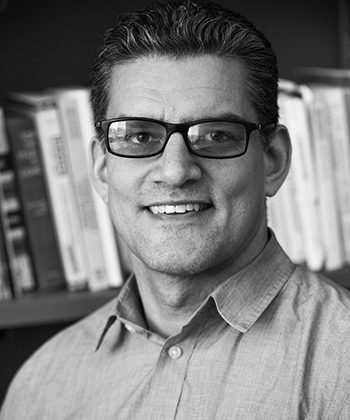
David Fortin, FRAIC
Founding Member, RAIC Indigenous Task ForceQ: What does “Reconciliation is a journey, not a checkbox” mean to you, and what do you hope the architectural profession and future generations will carry forward?
The RAIC is the single advocacy voice for the profession of architecture so its work on truth and reconciliation is essential as it sets a tone for what this means for our professional and personal responsibilities.
Read full response
The journey of reconciliation will remain ongoing – it will never be a completed project. But ultimately, if the built environment can better support Indigenous communities as a priority, and also respectfully express the rich diversity of cultures across the country, then we all can live in places more meaningfully connected to the land and the traditions of the place. Having more First Nations, Métis and Inuit youth engaging with architecture as a career path is a testament that this work is meaningful and impactful and what excites me the most is the next generations of Indigenous designers who will shape our world in a way that truly honours all of our ancestors and descendants and all of our relations. Furthermore, architecture is inherently a relationship-building profession and offers a very tangible path to coming together respectfully to build together. In terms of reconciliation, that is very special.
What experiences in this journey have been most meaningful to you, and why?
The establishment of the ITF is the most meaningful to me. It essentially led to the idea to form UNCEDED, which was selected to represent Canada at the 2018 Venice Biennale. It has provided the opportunity for the Indigenous architectural community to find its voice in the profession as well as provide a support network. It has also been very rewarding to see how the RAIC has now routinely understood the importance of having Elders and communities participate in the conference as it moves across the country. While some might critique this as performative, I would disagree. This is meaningful and sets the tone for how important this kind of respectful engagement is. Lastly, having Indigenous voices embraced as part of the Board of Directors shows leadership by recognizing the importance of these voices being at the table.
-
Marie-Louise Gidaro, FRAIC
Member, RAIC Truth and Reconciliation Task ForceListen to audio: Read transcript
Reconciliation is both a personal journey and a shared responsibility. It begins with acknowledging the truths and the harm of the past, and systemic injustices faced by Indigenous Peoples across Canada.
It involves concrete actions aimed at repairing the harm and rebuilding trust for meaningful and respectful relationships between Indigenous and non-Indigenous peoples.
As someone who works in public service and architecture, I recognize that reconciliation must be woven into the very structures we design and the systems we uphold. It means listening deeply to Indigenous voices, respecting traditional knowledge, and creating spaces—both physical and relational—that honour Indigenous presence, values and culture.
Reconciliation is not a checkbox. It is a continuous journey that requires humility, learning, and more importantly, unlearning. It’s about reflecting on my own biases, to challenge the status quo, and to advocate for meaningful change. The journey involves not just moments of ceremony or recognition on days such as National Day for Truth and Reconciliation but in the everyday decisions that shape our collective future.
Architecture, as the shaping of place through time and space, holds profound potential to drive meaningful transformation on the journey toward reconciliation. I remain hopeful that our profession is evolving beyond surface level representations of Indigeneity and that we will champion Indigenous-informed design—grounded in meaningful engagement with Indigenous voices and aligned with the values, needs, and aspirations of Indigenous peoples.
Reconciliation is about relationship building. It’s about building trust, fostering respect, and walking together toward a future where Indigenous rights are upheld, cultures are celebrated, and healing is possible.
I am Marie-Louise Gidaro, architect, non-Indigenous, member of l’Ordre des architectes du Québec, Fellow of the Royal Architecture Institute of Canada and honoured to be a Member of the RAIC Truth and Reconciliation Taskforce.
I live and practice on the unceded and surrendered territory of the Algonquin Anishnaabe Nation.
This is my journey on the path to Reconciliation.
-
Allan Teramura, FRAIC
RAIC Past PresidentQ: What does “Reconciliation is a journey, not a checkbox” mean to you, and what do you hope the architectural profession and future generations will carry forward?
When Chief Teresa Spence declared a state of emergency and started a hunger strike to bring attention to the living conditions in Attawapiskat First Nation, I was a newly elected Director of the RAIC representing the region that included her community. It quickly become clear that the conditions her community endured did not “just happen” but were the result of the sustained effort of institutions and trained, highly paid professionals.
Read full response
A lengthy fact-finding effort culminated with a trip to the neighbouring fly-in community of Kashechewan, which was facing similar challenges, as the guest of member of parliament Charlie Angus. Disturbed by what I saw, I returned convinced that architects had a moral obligation to support those dealing with the burden of living with the results of thoughtless and even dangerous design.
The RAIC, which throughout its history has celebrated excellence in architecture through its awards programs, can also call attention to parts of the built environment that were, by design, far from excellent. I felt that was especially true for those environments that arguably were an expression of contempt for a specific population in built form.
Bad solutions are often created by well-meaning outsiders. This paradox was discussed at many RAIC board meetings, and it became clear that for the Institute to play in advocating for better Indigenous communities, the best way to do it would be to use the RAIC’s institutional authority to empower Indigenous practitioners.
Finally, six years after Chief Spence’s call to action, the RAIC Indigenous Task Force was created, gathering together Canada’s Indigenous architects, amplifying their voices.
-
Jennifer Kinnunen, MRAIC
Member, RAIC Truth and Reconciliation Task ForceListen to audio: Read transcript
My name is Jennifer Kinnunen. I’m a first-generation Finnish-Italian settler ally, whose path in architecture has been shaped by community engagement and participatory design. Over the years, I’ve had the privilege of learning from Indigenous colleagues, mentors, and communities whose teachings have profoundly changed how I understand design and responsibility.
For me, the RAIC’s work on truth, reconciliation, and respectful relationships is essential because it helps our profession unlearn habits of extraction and control, and move toward ways of working that are grounded in reciprocity, respect, and listening. The spaces we design are never neutral — they carry the stories, values, and relationships that shape how we live together.