Dan Hanganu, Pavillon de Design, Université du Québec à Montréal (UQAM) Montréal, 1995
Written by: Inderbir Singh Riar, Associate Professor
Azrieli School of Architecture & Urbanism, Carleton University, Ottawa
Canadian cities host mainly two kinds of university: a historical institution founded mostly in the nineteenth century and a modern one established soon after 1945. The latter with origins often in alternatives such as YMCA vocational training and adult general studies embodied growing welfare state ambition. Government largesse in postwar decades expanded postsecondary education first for returning veterans and then in relation to changing phenomena whether increasing suburbanization or rising immigration. New faculties and campuses quickly took modernist appearance. Large-scale thinking generated radical experiments redolent at times of the megastructural movement. The Université du Québec à Montreal (UQAM) initiated among the boldest attempts at creating a public university to advance cultural and social modernization. Local architect Dimitri Dimakopoulos’s master plan conceived in 1969 and completed in 1978 in collaboration with Jodoin Lamarre Pratte served progressive policymakers’ pursuit of participation and polyvalence as reformist creed ushered by Quebec’s epochal Quiet Revolution. The campus in the heart of Montreal’s Latin Quarter has continued to widen through well-designed complexes along with thoughtfully adapted historical buildings.
Montreal architect Dan Hanganu’s pavillon de Design de l’Université du Québec à Montréal (UQAM) realized in 1995 remains thirty years later among the most exemplary and exciting environments for Canadian higher education in the creative arts. Hanganu was born in 1939 and studied architecture in Bucharest. Immigration to Canada in 1970 following a year-long Parisian sojourn brought valuable training in Dimakopoulos’s office and under versatile Polish émigré Victor Prus. Hanganu began independent practice in 1979. Multifamily housing at different scales introduced a fundamental attitude to space and structure: robust load-bearing masses resting squarely on the ground, thrilling interior voids and volumes with powerful vertical thrust, and invented ornament of deft tectonic and dramatic expression. The approach, noted architecture critic and historian Kenneth Frampton has observed, synthesized Hanganu’s search for compositional rules of strong urban form and his convincing latter-day constructivism shown in repeating components of cubistic and chromatic character. This rich aesthetic language defined institutional commissions beginning in 1992 with the heralded Pointe-à-Callière archaeology museum in Old Montreal and then forcefully at UQAM.
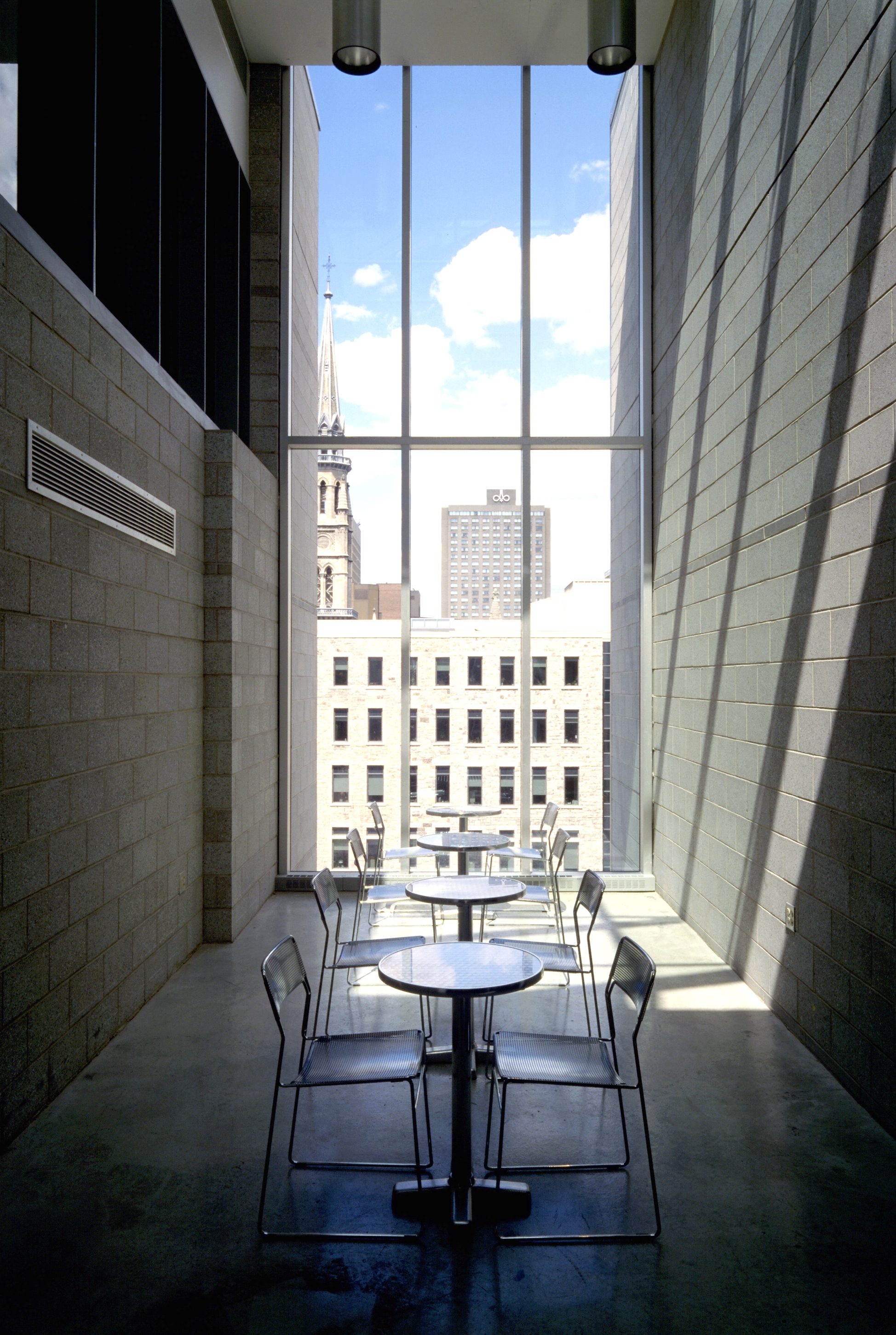
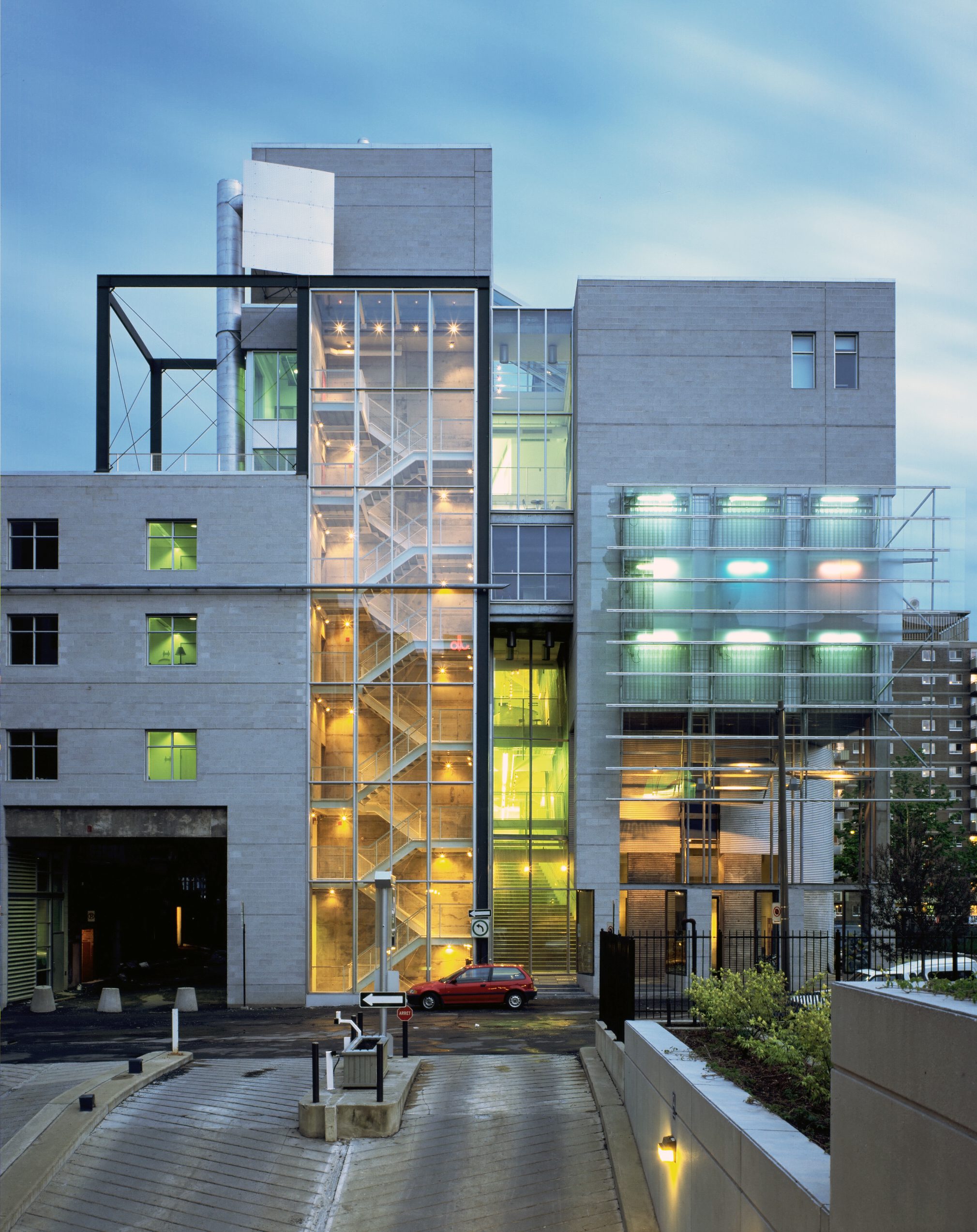
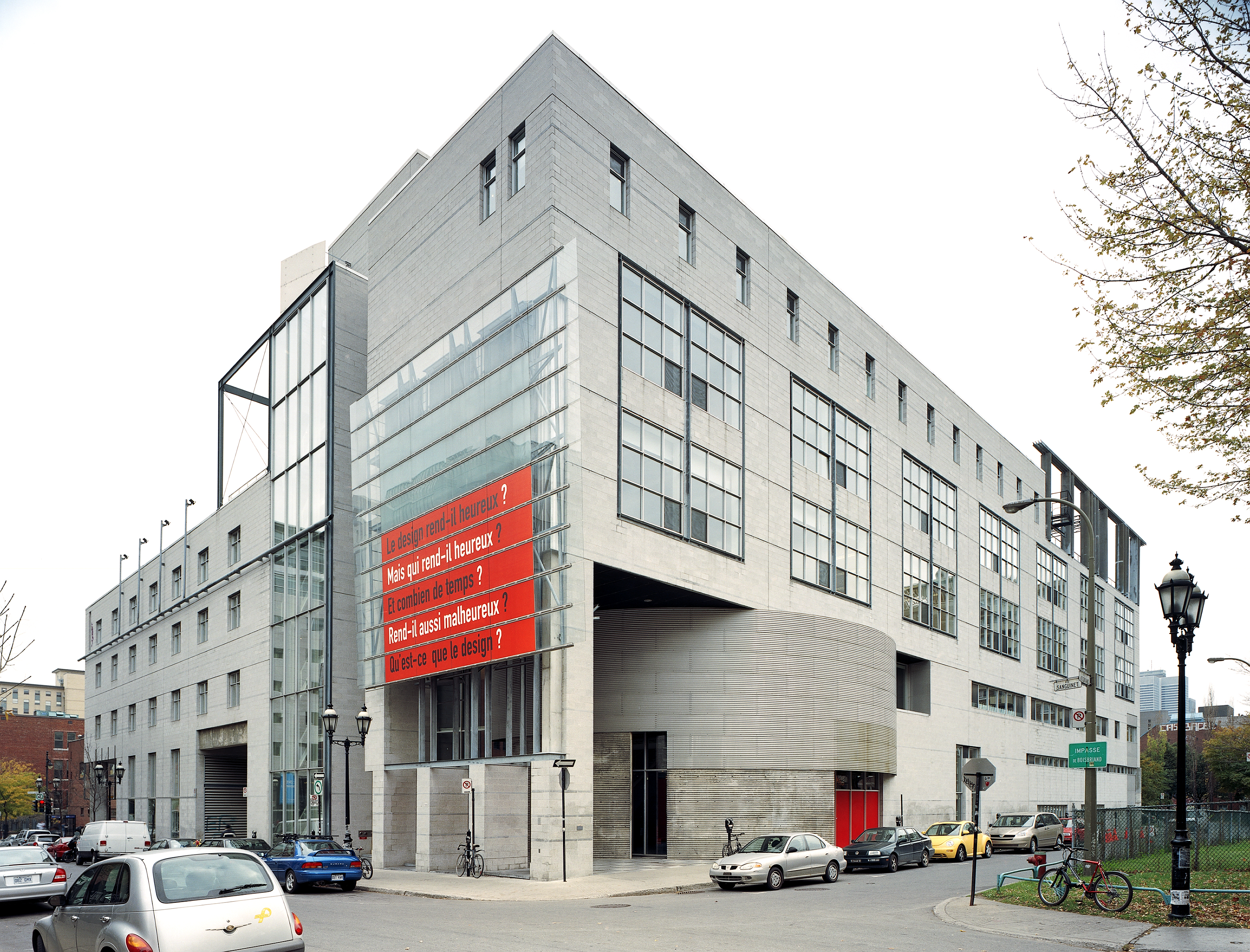
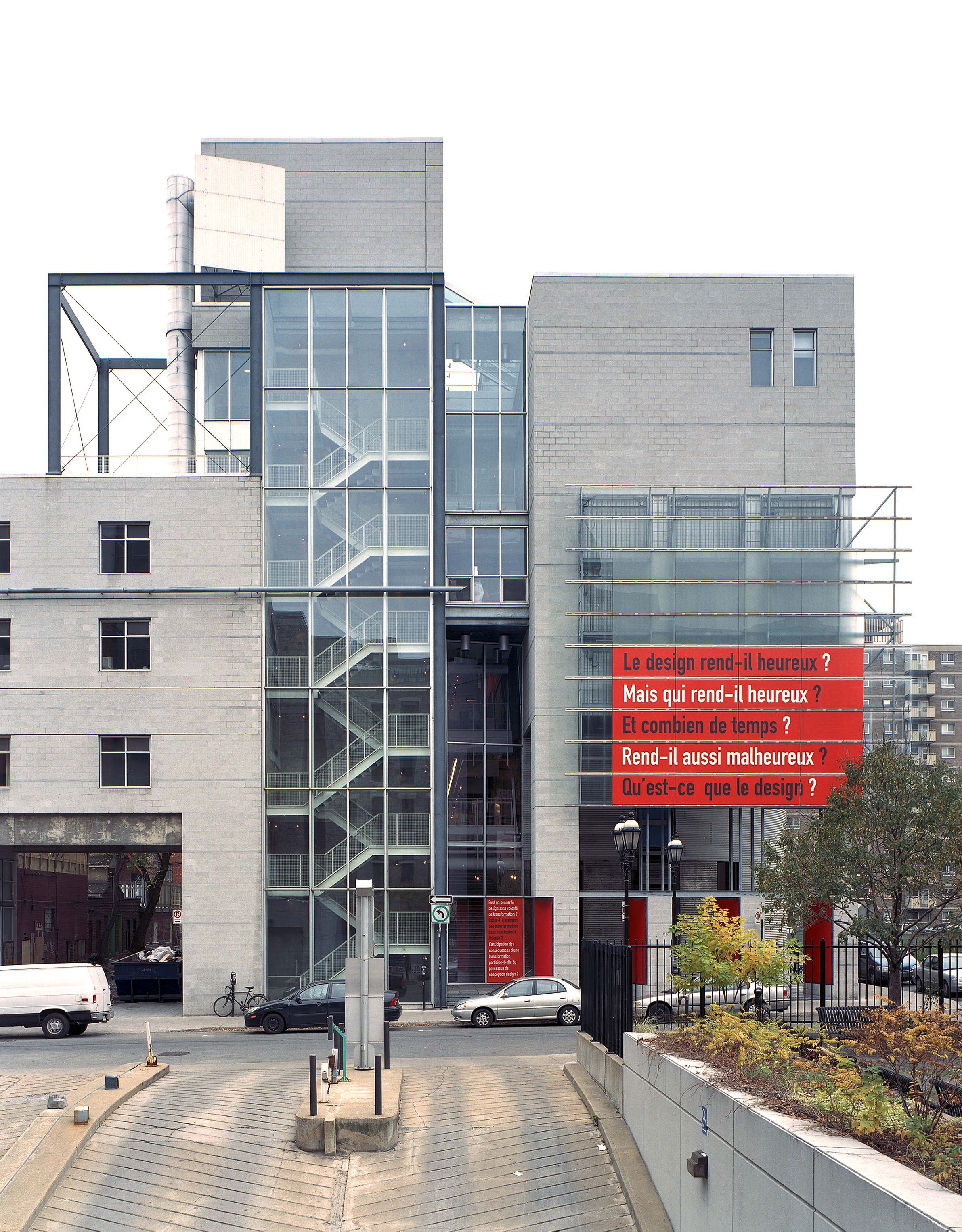
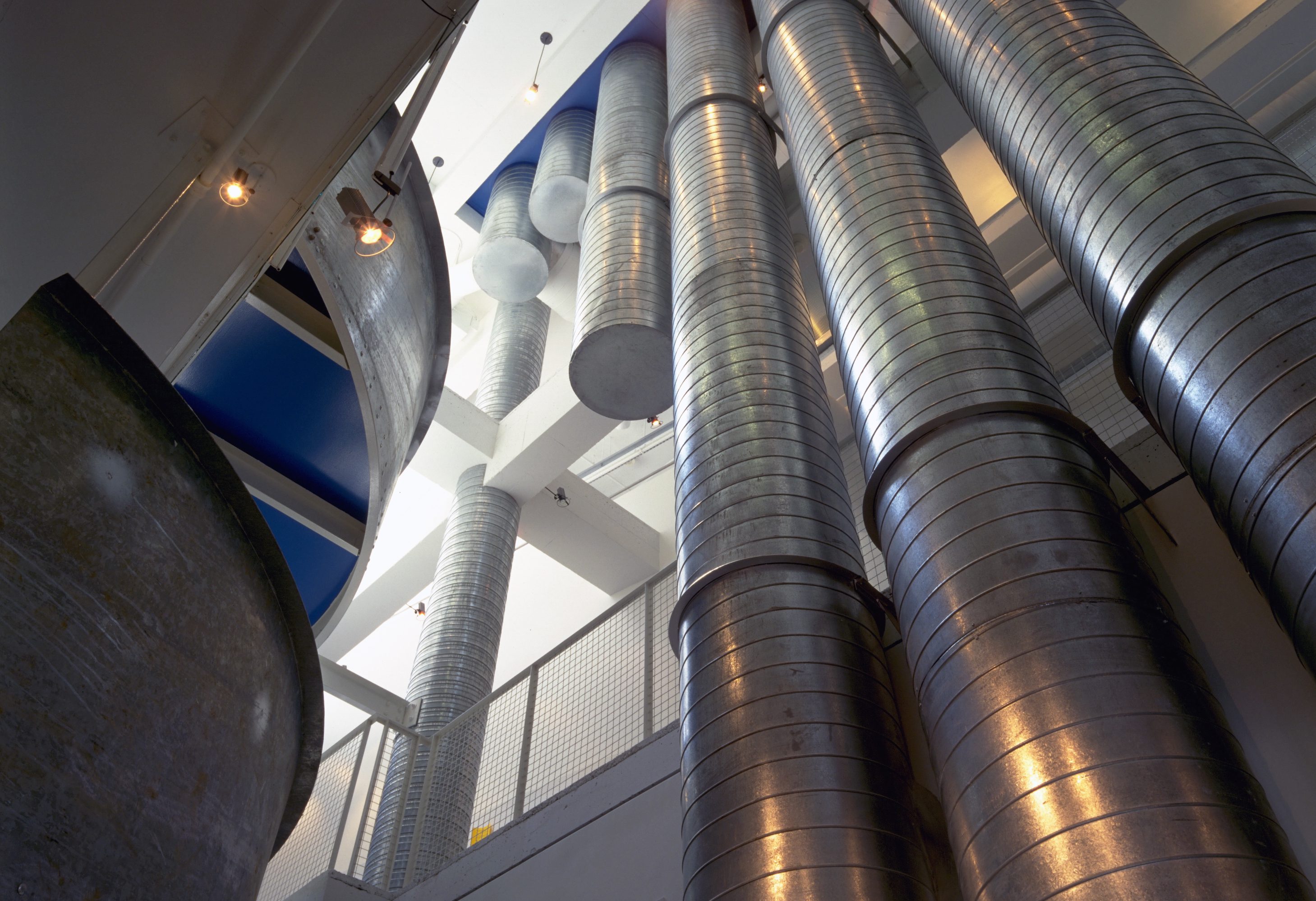
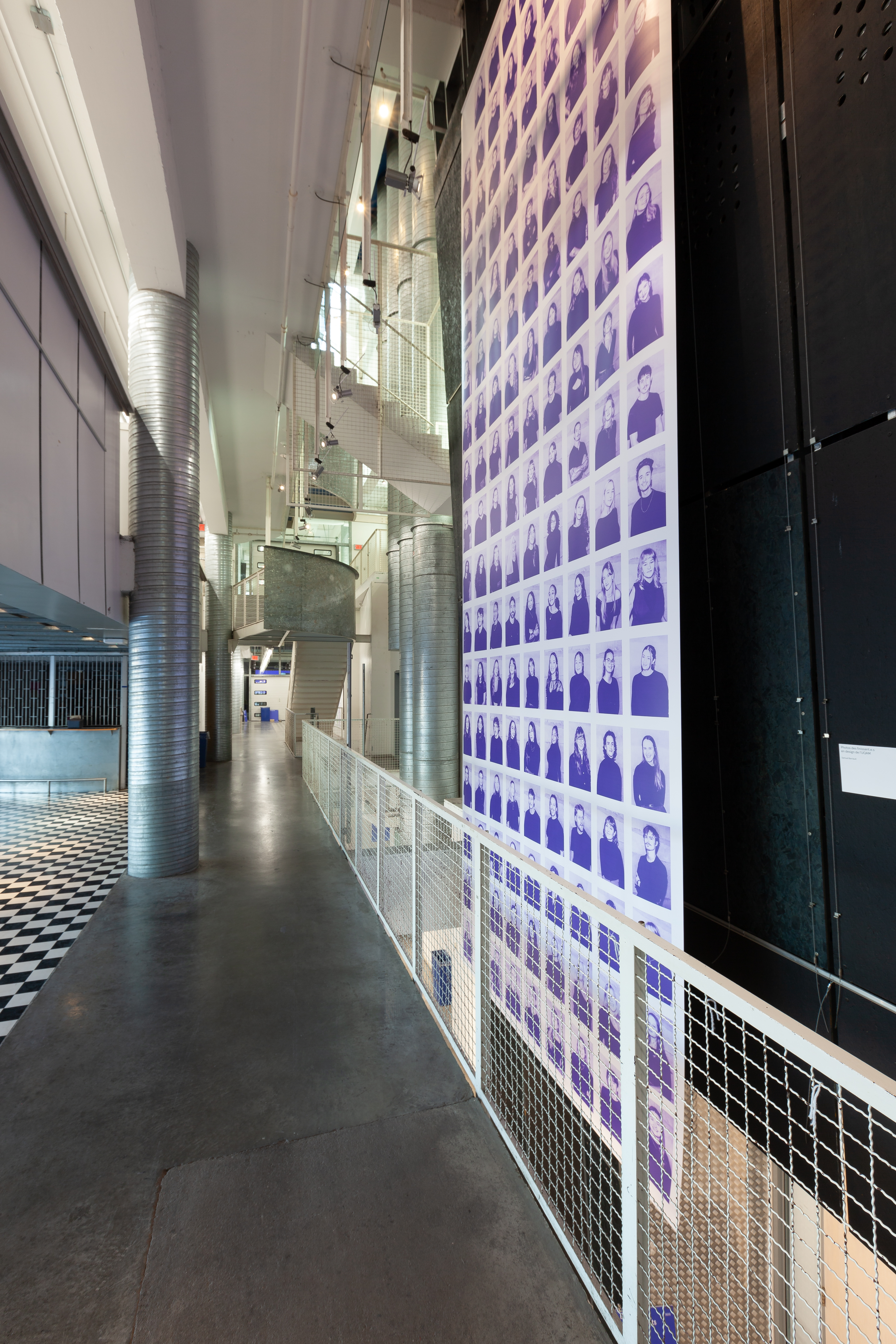
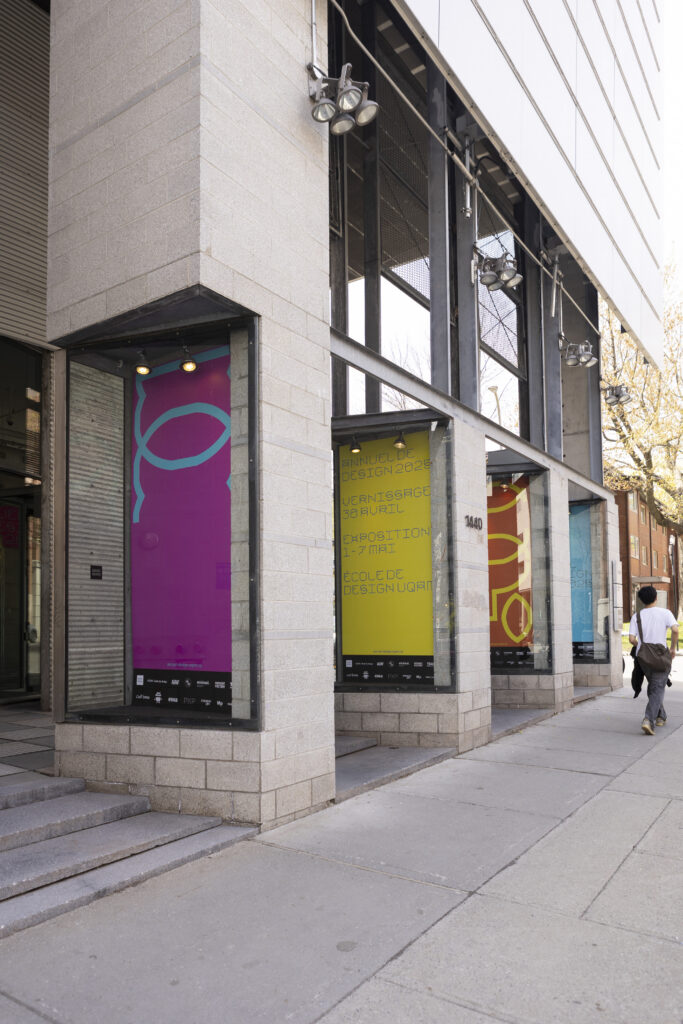
Hanganu’s pavillon de Design de l’Université du Québec à Montréal (UQAM) secures a street corner in assertive display of poured concrete, custom cinder block, metal formwork, and glass. An L-shape plan of block-long wings encloses 11,000 square metres devoted to immersion in disciplines from architecture to graphics. The parti arguably fuses Le Corbusier’s canonical “Five Points of New Architecture” of 1926 and American postwar master Louis Kahn’s distinction of servant and served spaces. A soaring four-storey lobby with ground-floor exhibition gallery leads to a trademark monumental staircase that tapers upward toward a narrow and deep sky-lit atrium slicing through the school. Daringly stacked floorplates animated by switchback stairs, overhanging landings, and protruding mezzanines give vertiginous views to the optimistic energy of students at work. Honorific treatment of inexpensive off-the-shelf industrial materials – stained chipboard, exposed studs, wire mesh, checkerboard plate, and corrugated steel –continues in Hanganu’s équipement – stairs, handrails, or air conditioning tubes that mimic adjacent columns left in cylindrical casings – given ludic charge. Light enters at all angles. The result is like no other: at once functional and poetic with surrealistic touch unmatched in Canadian contemporary architecture.
Dan Hanganu’s untimely death in 2017 robbed Montreal of a singular talent. The pavillon de design de l’Université du Québec à Montréal (UQAM) as lodestar of Hanganu’s mature technique provided template for significant public projects marking his hometown in the coming decade. Works include the compelling municipal Centre d’Archives of 2001. Not all efforts proved equal with newer proposals perhaps by necessity indebted to somewhat extravagant digital renderings. Two public libraries finished in 2013 for Montreal and Quebec City nevertheless affirm Hanganu’s commitment to a sound civic realm. His pavillon de Design a UQAM, in the final analysis offers a masterclass for architecture students. Utility, durability, and beauty coexist to nourish intellectual and emotional needs of artistic action. The undeniable quality also suggests a presumably enlightened academic administration willing to invest in well-made vanguard architecture – far cry from so many university trustees, presidents, and deans chasing the bottom-dollar or seeking spectacular set pieces that through cut-rate construction or shallow fashion invariably impoverish student life today.