Team Members & Partners:
EPS: Graeme Dowdell, Barbara Cook, Thomas Gillard, Karly Kulpa, Tim Boan, Karen Belter, Rick Pease.
AU: Henry Tsang, Douglas MacLeod, Cynthia Dovell, Veronica Madonna, Trevor Butler, Emma Hansen, Carole Mason, Michael Shouldice.
Free Expression:
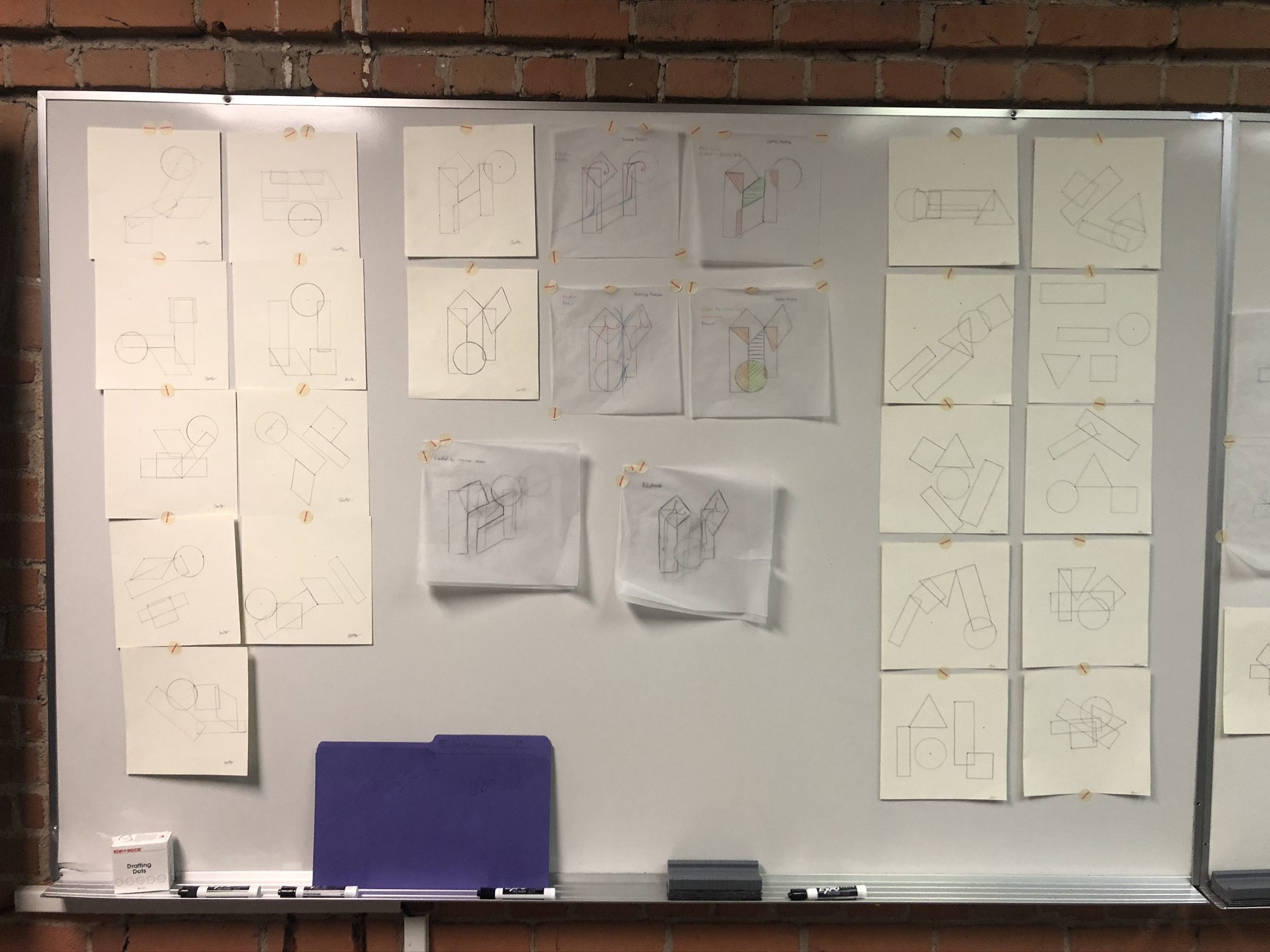
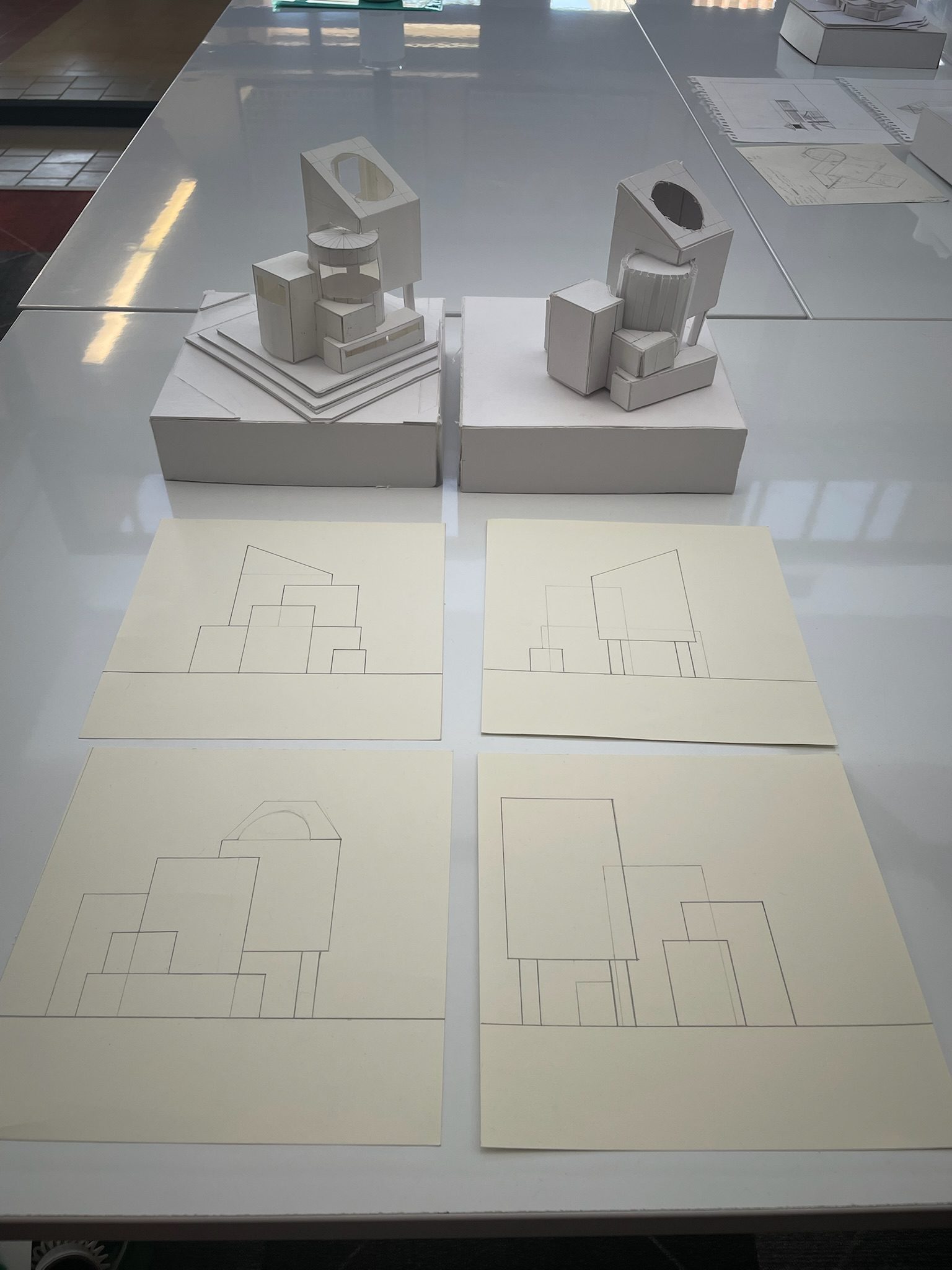
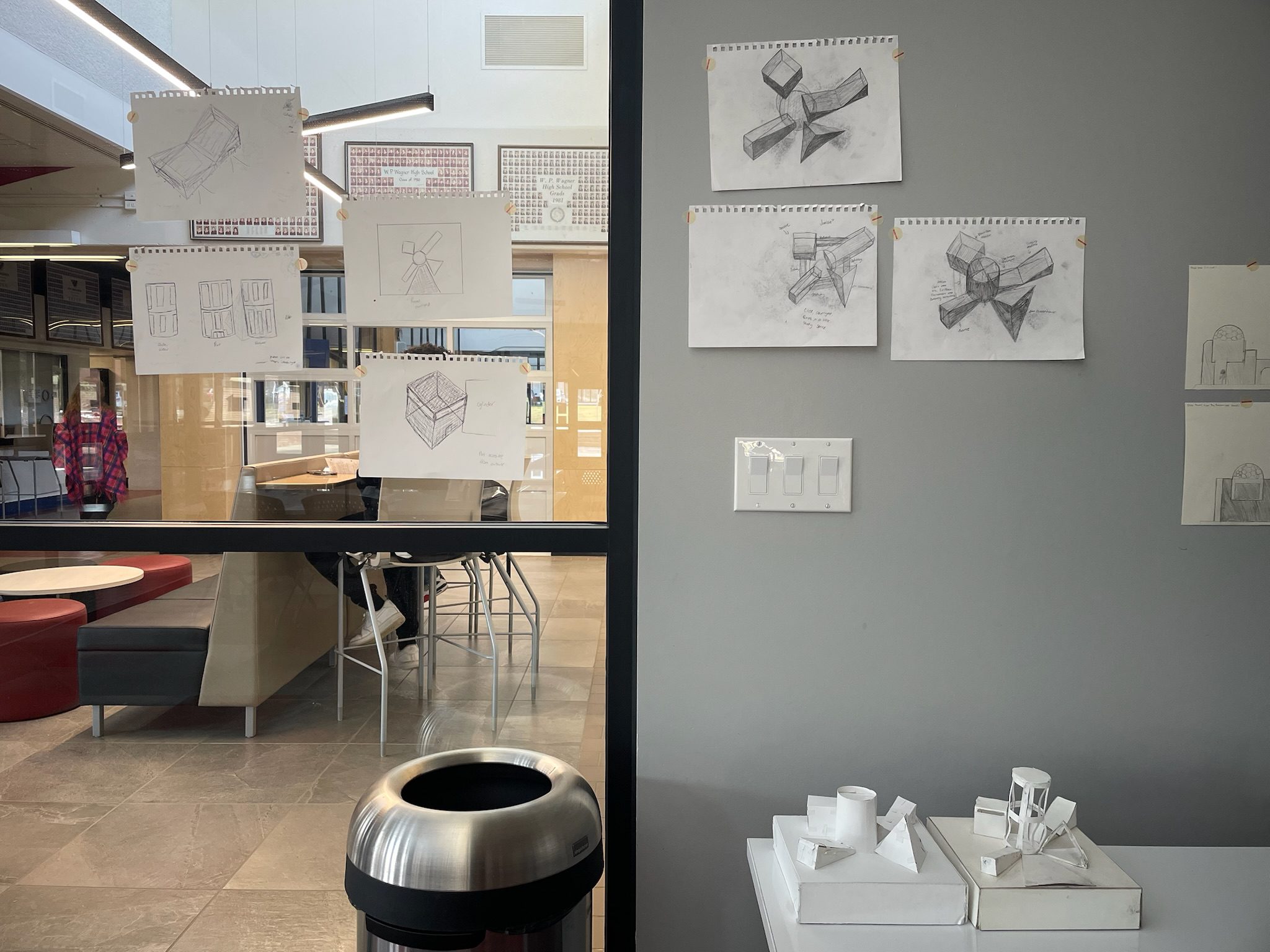
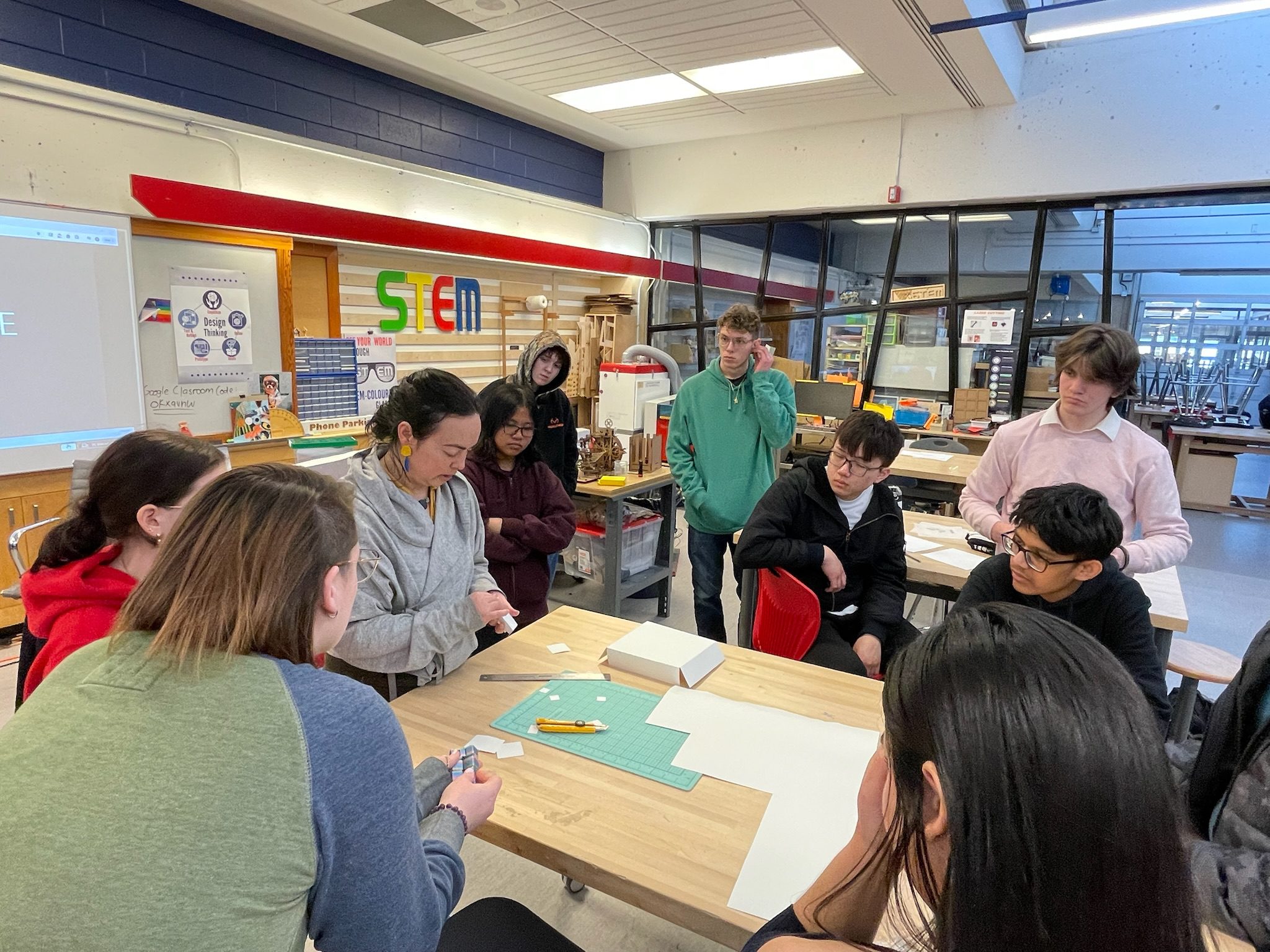
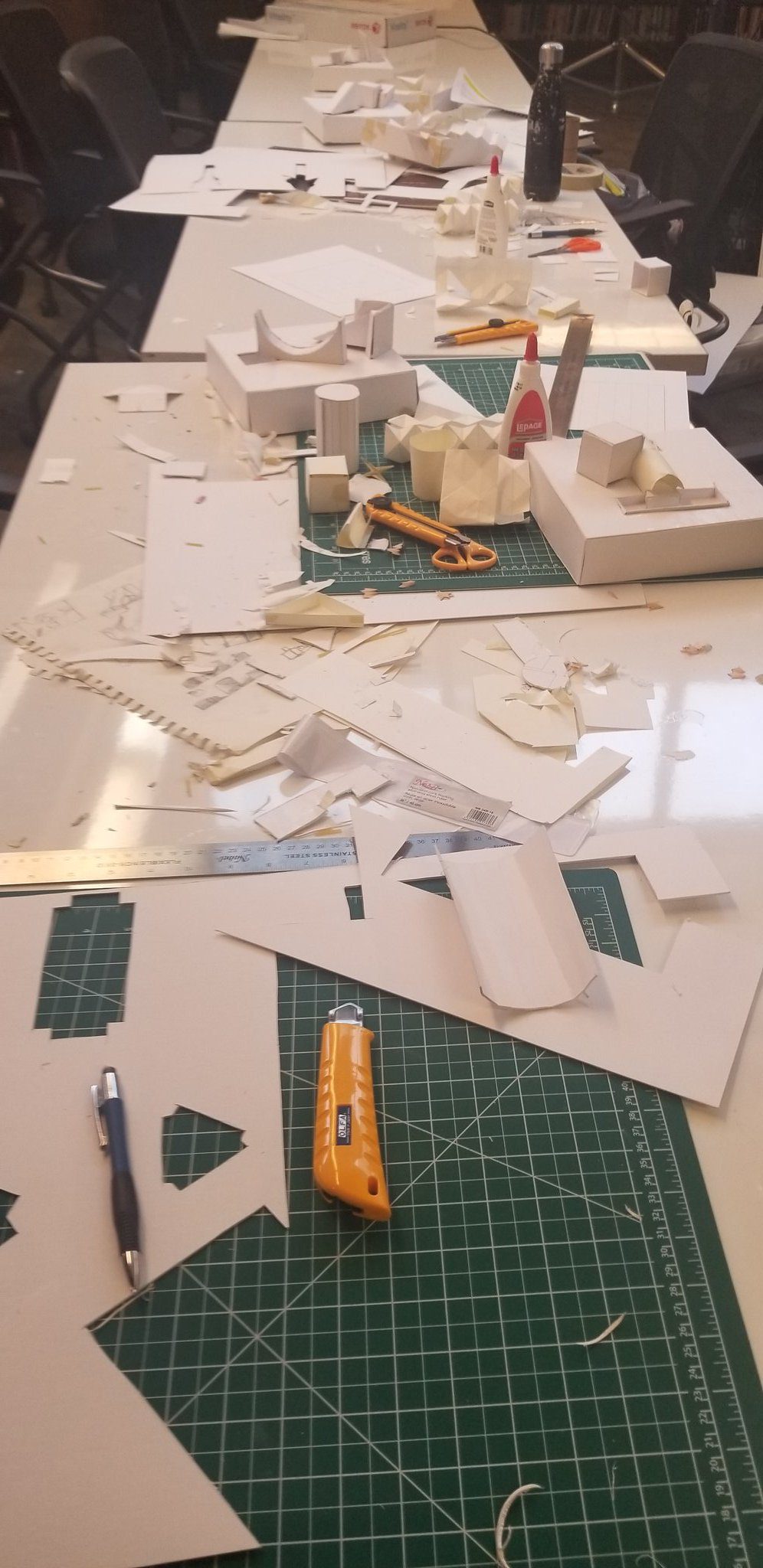
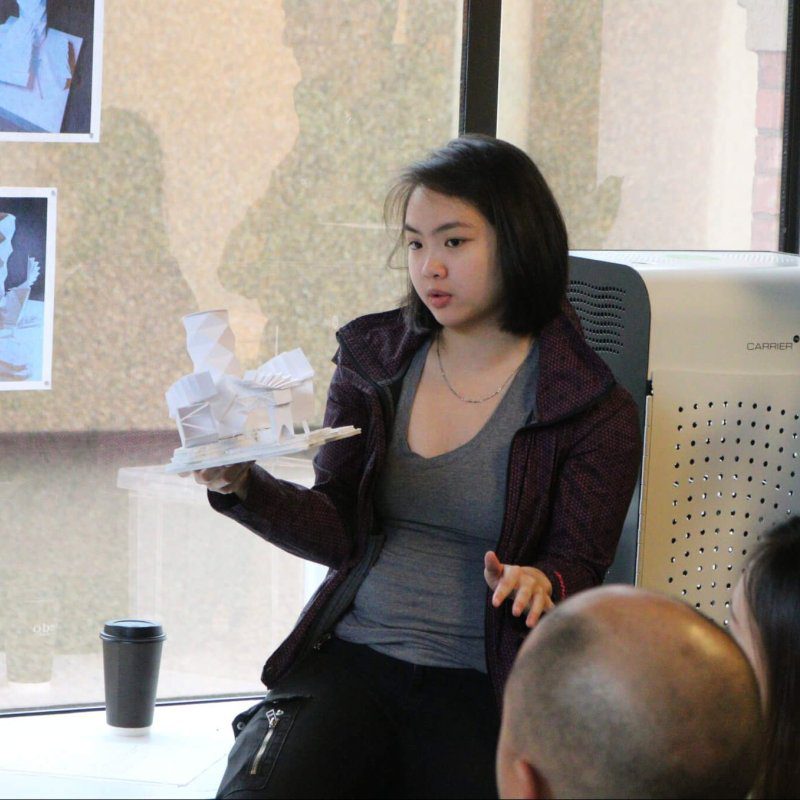
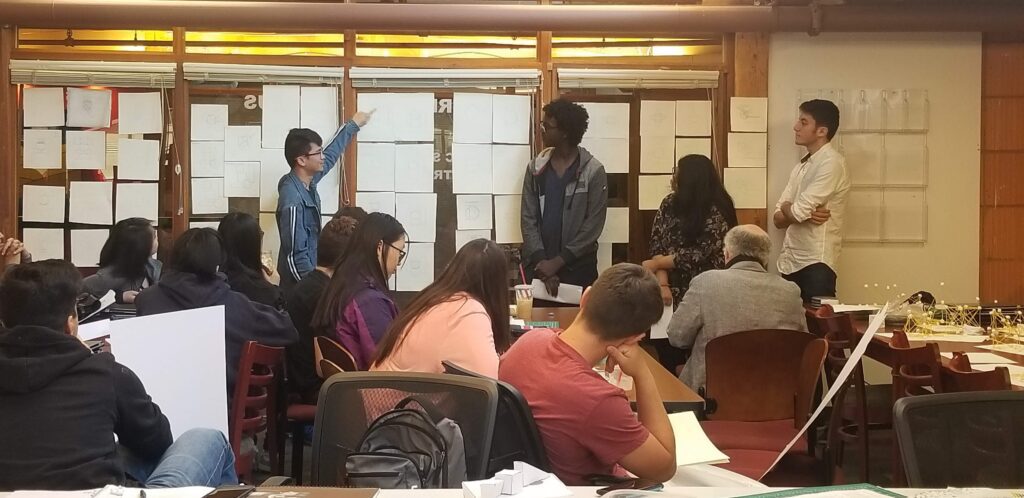
Why do architects draw? In an era when young people increasingly rely on digital technologies and AI for creative tasks, “Foundations of Design” reasserts the value of thinking through the hand. Writing, drawing, and modelmaking strengthen cognitive processing, memory retention, spatial awareness, motor skills, and concentration through active, tactile engagement. The course introduces high school students (ages 16–18) to architecture as a creative, social, and ethical practice. Students develop core design skills—hand drawing, modelmaking, spatial reasoning, visual literacy, ideation, collaboration, and public presentation—through iterative, hands-on projects. Architecture is taught as a process of translating ideas into form, balancing solids and voids, and evaluating alternatives rather than seeking a single “right” answer. Social, economic, and ecological sustainability are embedded through discussions of material responsibility, spatial efficiency, and community impact. Delivered as a government-funded Alberta Dual Credit program with Edmonton Public Schools and Athabasca University, the accredited course is collaborative, community-supported, and ongoing.
Outcomes and Evaluation:
“Foundations of Design” builds creative and design thinking through hand drawing, physical modelmaking, and critical inquiry in an increasingly digital culture. Students demonstrate growth in spatial reasoning, visual literacy, cognitive processing, memory retention, and confidence in