


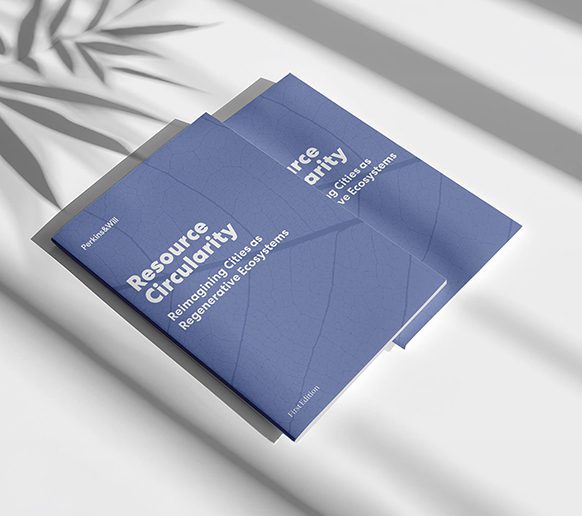
Resource Circularity: Reimagining Cities as Regenerative Ecosystems is an ambitious research initiative that explores how architecture and urban systems can respond to the pressing challenges of climate adaptation, resource scarcity, and circular economic models. Bringing together a diverse coalition of collaborators, the project examines new frameworks for designing cities that function as regenerative ecosystems rather than linear systems of consumption and waste.
Central to the research is the proposition that food-producing systems should be understood as critical urban infrastructure. By reframing these systems as an infrastructure asset class, the work expands how the architectural profession defines performance, value, and responsibility within the built environment.
Through a combination of interdisciplinary research, policy-oriented thinking, and design exploration, the project presents a forward-looking vision for cities that integrate resource cycles, ecological resilience, and social benefit. In doing so, it offers a compelling model for sustainability-driven innovation and provides practical insight that can inform future funding models, policy development, and the implementation of regenerative urban strategies.
JURY COMMENT(S)
The jury recognizes Resource Circularity: Reimagining Cities as Regenerative Ecosystems as a significant and comprehensive body of research that advances contemporary architectural practice. The submission brings together a broad coalition of collaborators to examine the role of architecture and urban systems in addressing climate adaptation, resource scarcity, and circular economic models.
2026 Annual Awards Jury
The jury noted the project’s ability to expand how the profession defines value, performance, and responsibility, particularly through its efforts to frame food-producing systems as an essential infrastructure asset class. This forward-looking approach positions the work as a tool capable of informing funding models and policy development as an important step toward enabling meaningful, real-world implementation.
Overall, the project represents a compelling and actionable vision for regenerative urban ecosystems and stands out as an exemplary contribution to sustainability-driven research and innovation.
Image Gallery
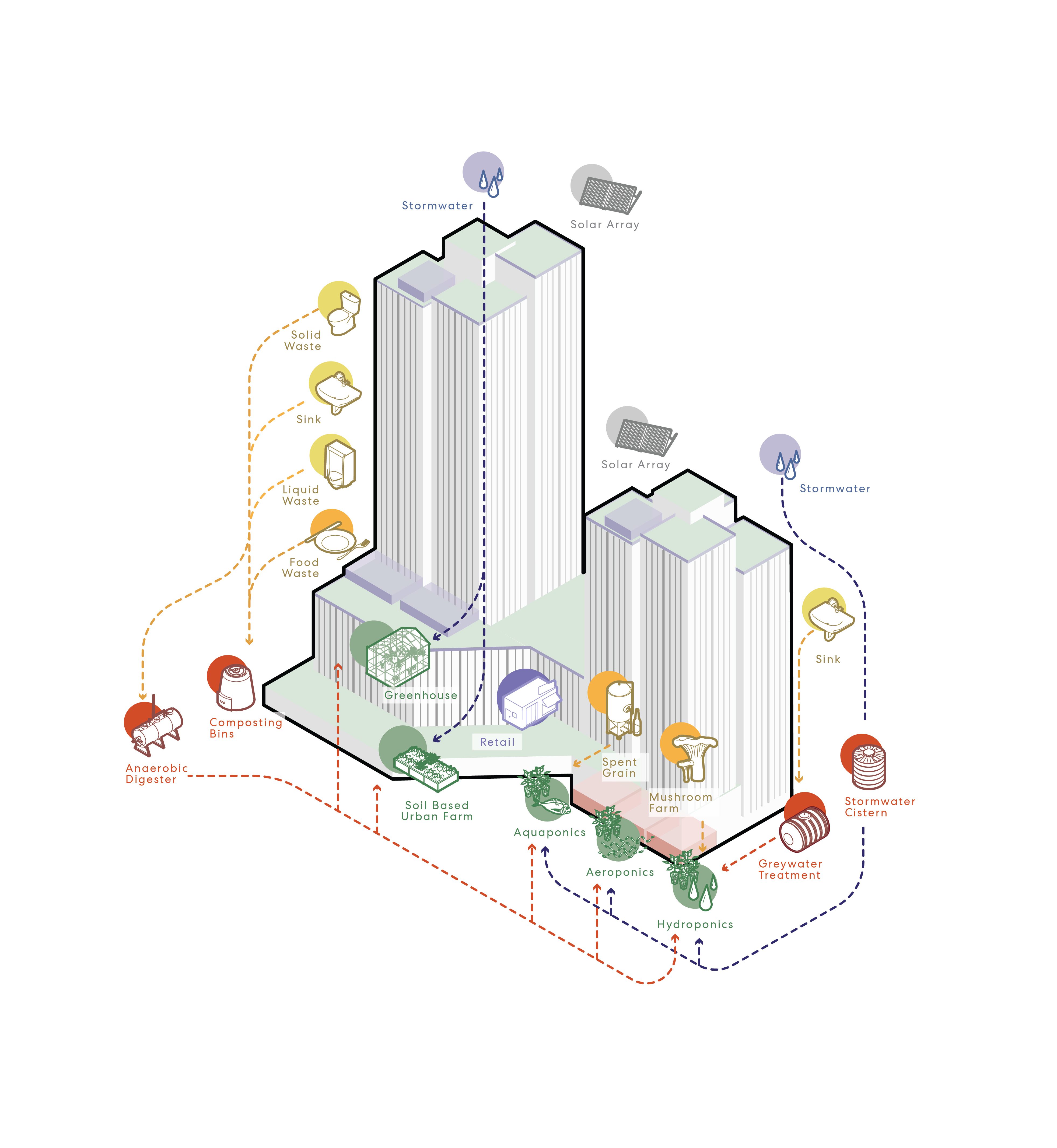
Systems diagram with a circular waste to resource ecosystem
Perkins&Will
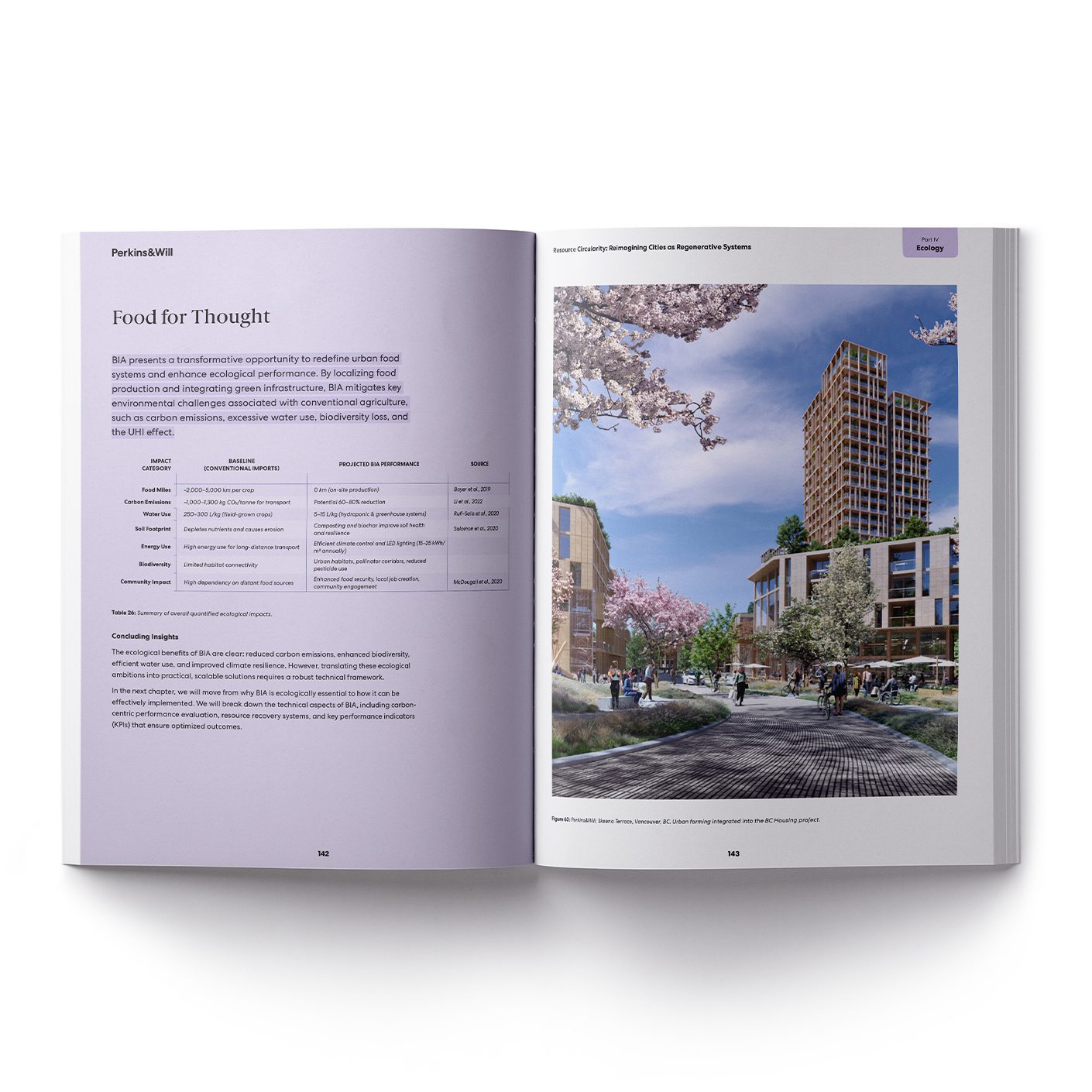
Resource Circularity Food for Thought
Perkins&Will
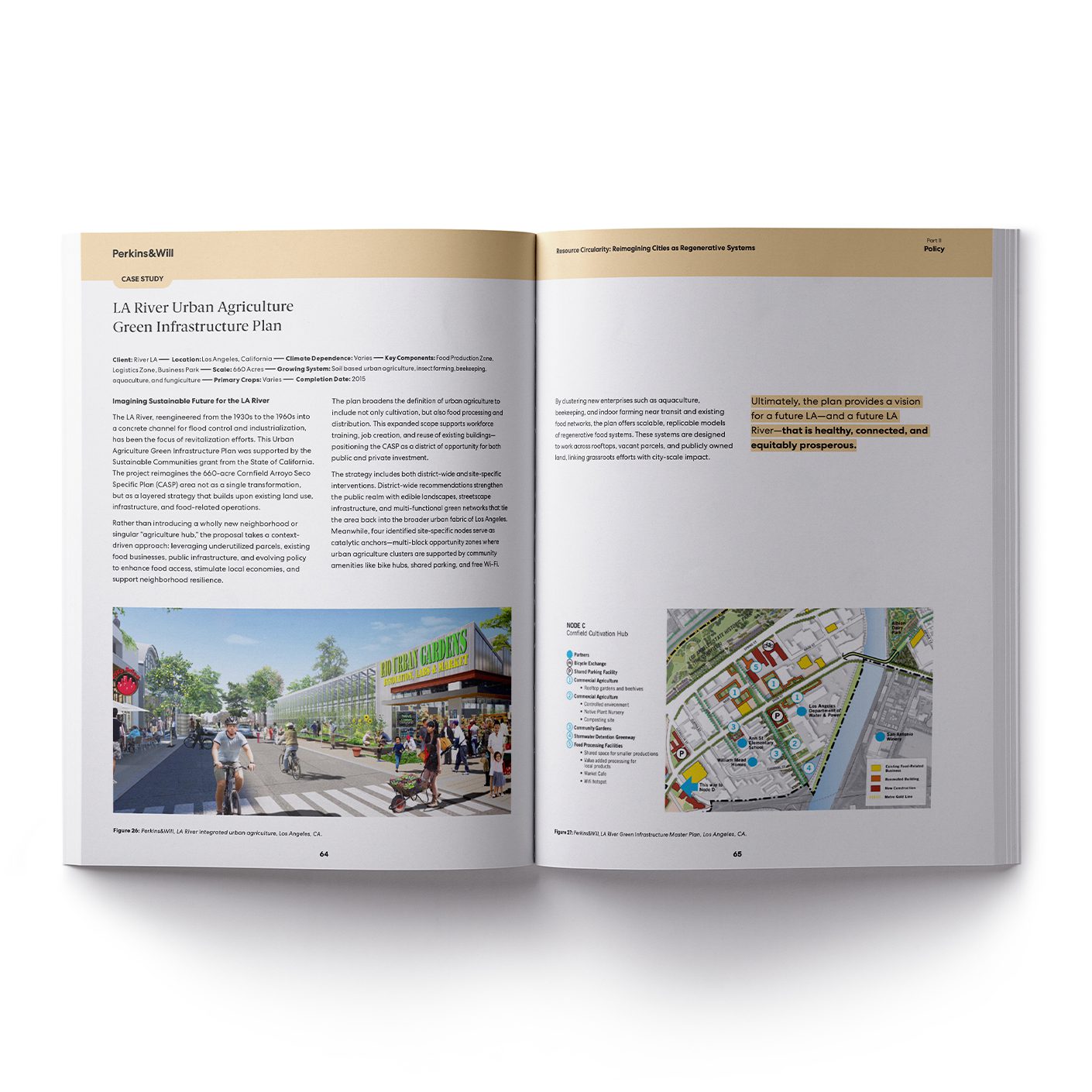
Resource Circularity Policy Case Study
Perkins&Will
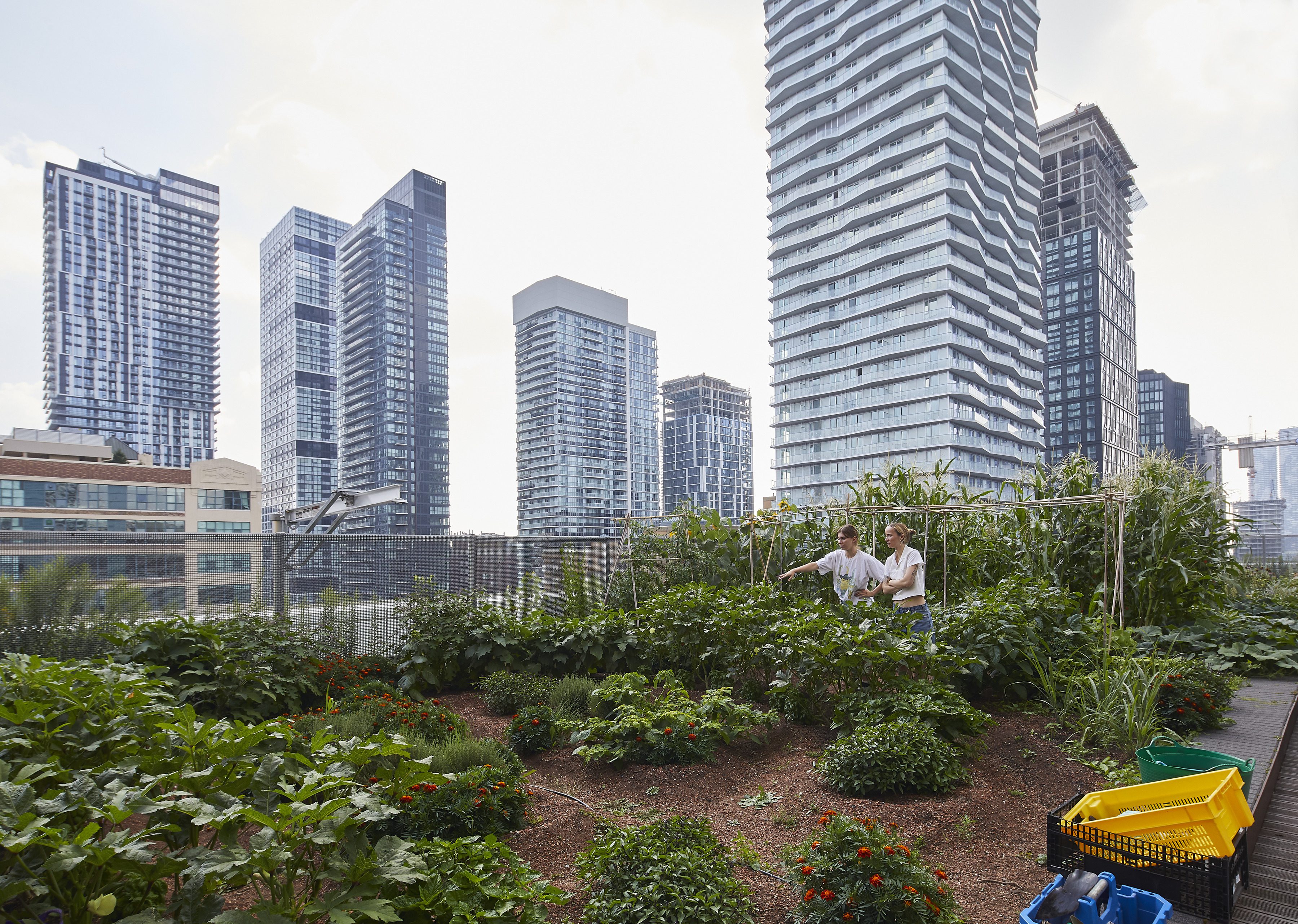
Daphne Cockwell Health Sciences Complex
Lisa Logan
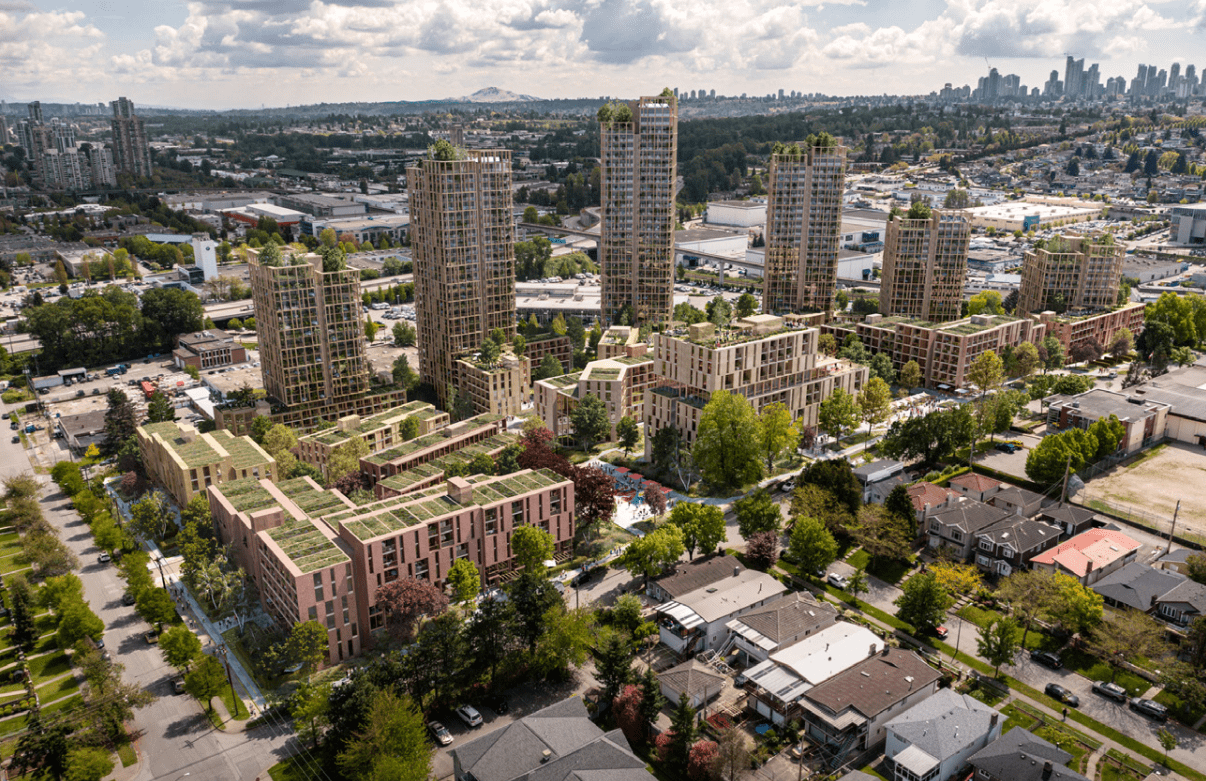
Skeena Terrace
Perkins&Will
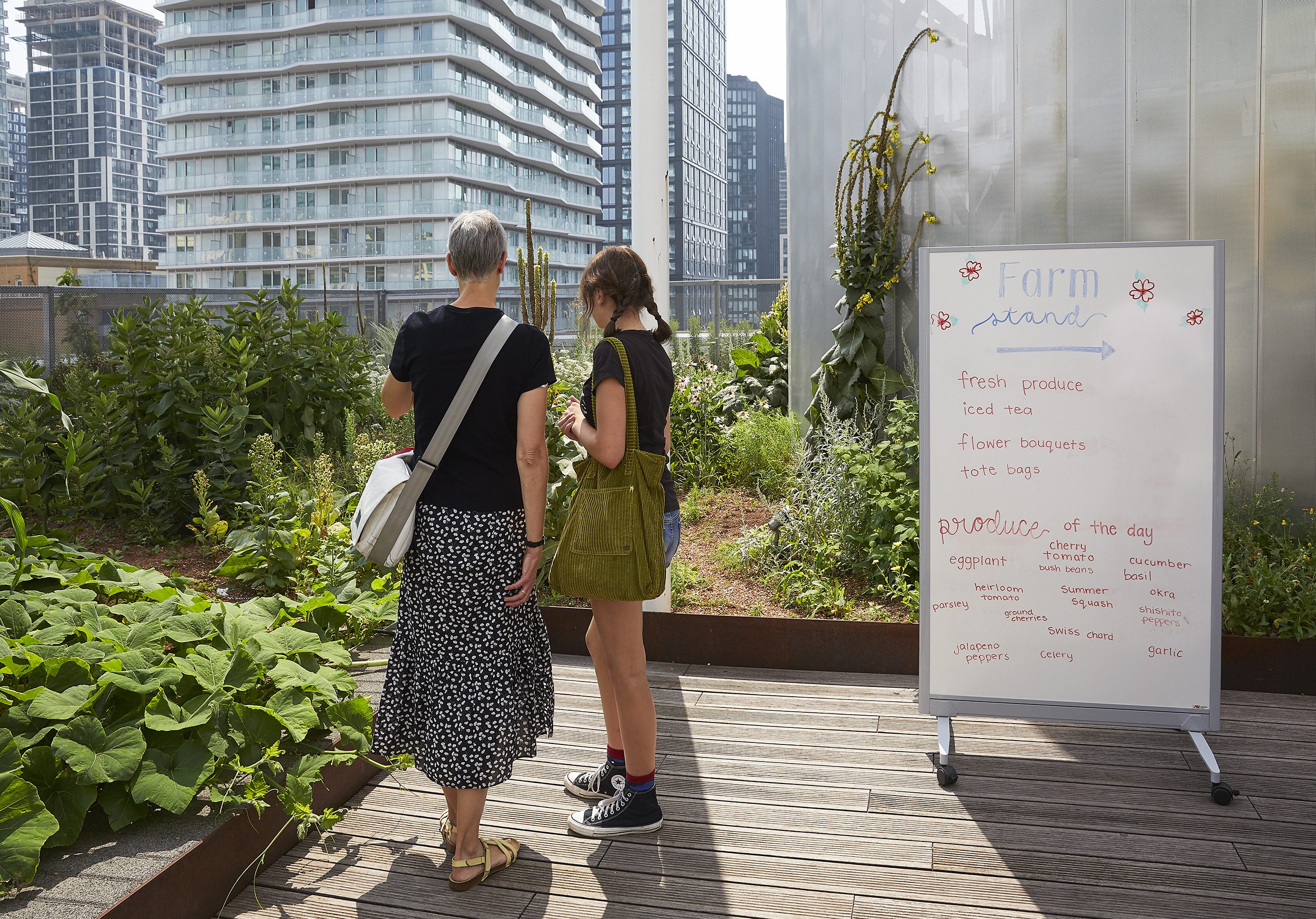
Daphne Cockwell Health Sciences Complex
Perkins&Will