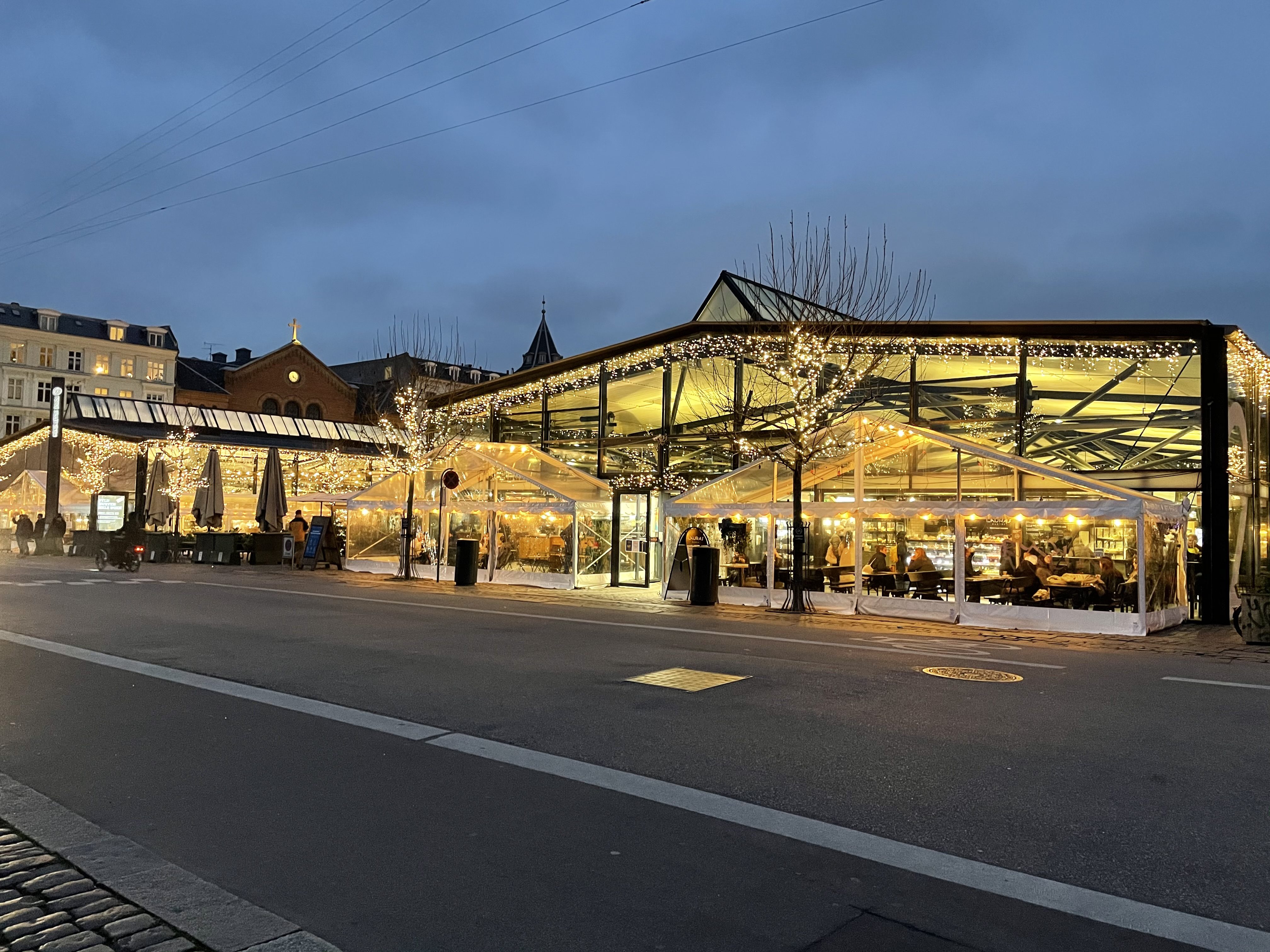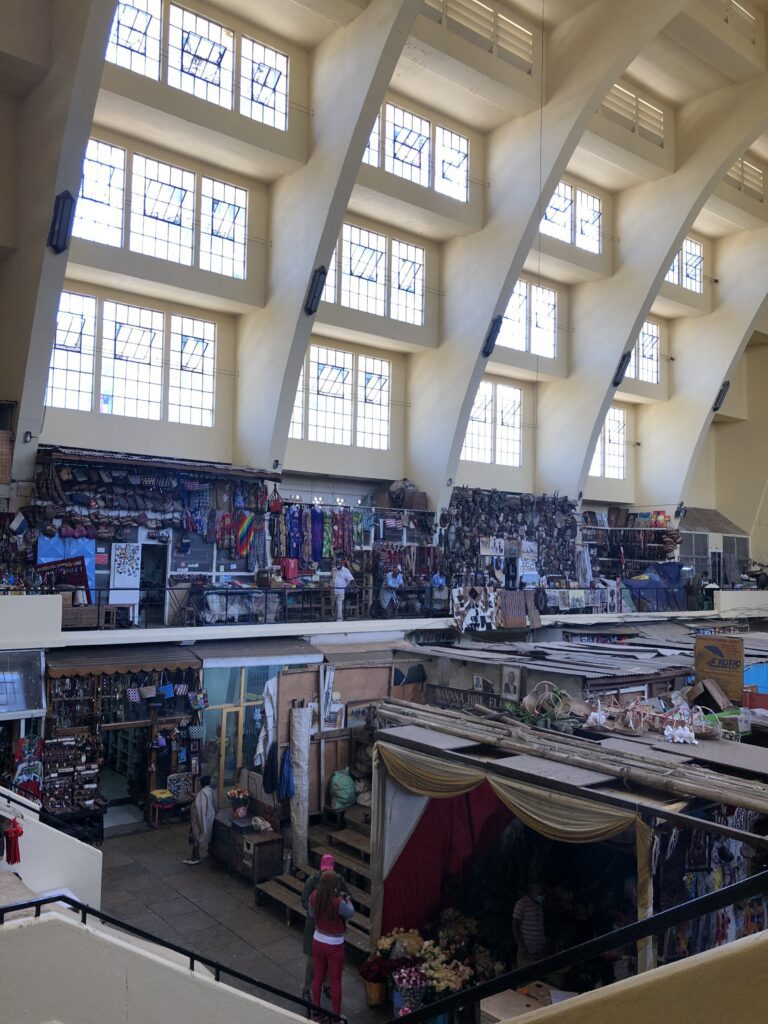
Mobs and Microbes: Global Perspectives on Market Halls, Civic Order and Public Health offers a compelling reexamination of the market hall as a key architectural and civic institution. Through a global and historically grounded perspective, the book investigates how market halls have functioned not only as places of commerce, but also as instruments of governance, social organization, and public health.
Drawing on interdisciplinary research that spans architectural history, urban studies, and public health, the work reveals how these spaces emerged in response to concerns about sanitation, crowd management, and civic order. By situating the market hall within broader political and cultural frameworks, the book demonstrates how architecture has historically been used to shape and regulate public life.
Combining clear scholarship with rich visual documentation, the publication makes complex historical and spatial relationships accessible to a wide readership. Its exploration of how architecture intersects with questions of health, equity, and civic infrastructure contributes meaningfully to contemporary discussions about the design and governance of public space.
Contributors:
Leila Marie Farah and Samantha L. Martin (co-editors)
Samantha L. Martin, Leila Marie Farah, Ashley Rose Young, Daniel Williamson, Zhengfeng Wang, Nkatha Gichuyia, Xusheng Huang, Ruth Lo, Emeline Houssard, Henriette Steiner, Andrea Borghini and Min Kyung Lee (authors)
Leuven University Press (publisher)
JURY COMMENT(S)
The jury selected Mobs and Microbes: Global Perspectives on Market Halls, Civic Order and Public Health for its exceptional scholarly depth and its timely, globally relevant exploration of the market hall as a civic and political instrument. The book reframes a familiar architectural typology through a critical, historical, and public-health lens, revealing the ways in which these spaces have shaped and been shaped by societal forces including disease, control, governance, and public order.
2026 Annual Awards Jury
Jurors praised the manuscript’s clarity, accessibility, and compelling visual and written research. Its interdisciplinary perspective and its relevance to contemporary conversations about public space, civic infrastructure, and social equity were regarded as especially impactful.
This work represents a model of architectural scholarship that deepens public understanding of how architecture participates in broader cultural and political systems.